Top Fermented Beverages to Enhance Your Gut Health Naturally
Understanding Gut Microbiome and Its Importance
Your gut microbiome is a bustling community of trillions of microorganisms living primarily in your intestines. This diverse ecosystem includes bacteria, fungi, viruses, and other microbes, all playing crucial roles in your digestion, immune function, and even mental health.
Maintaining a balanced and diverse gut microbiome is vital. Research has shown that disruptions in this microbial community are linked to various health issues, such as digestive disorders, weakened immunity, and chronic inflammation. A rich microbiome not only helps break down food and absorb nutrients efficiently but also protects against harmful pathogens and supports your body's natural defenses.
In fact, studies like those included in the HELIUS cohort have identified specific gut microbes as key players affecting not just gut health but also cardiometabolic diseases, underscoring the importance of nurturing these microscopic allies throughout your life.
How Fermented Beverages Support Gut Health
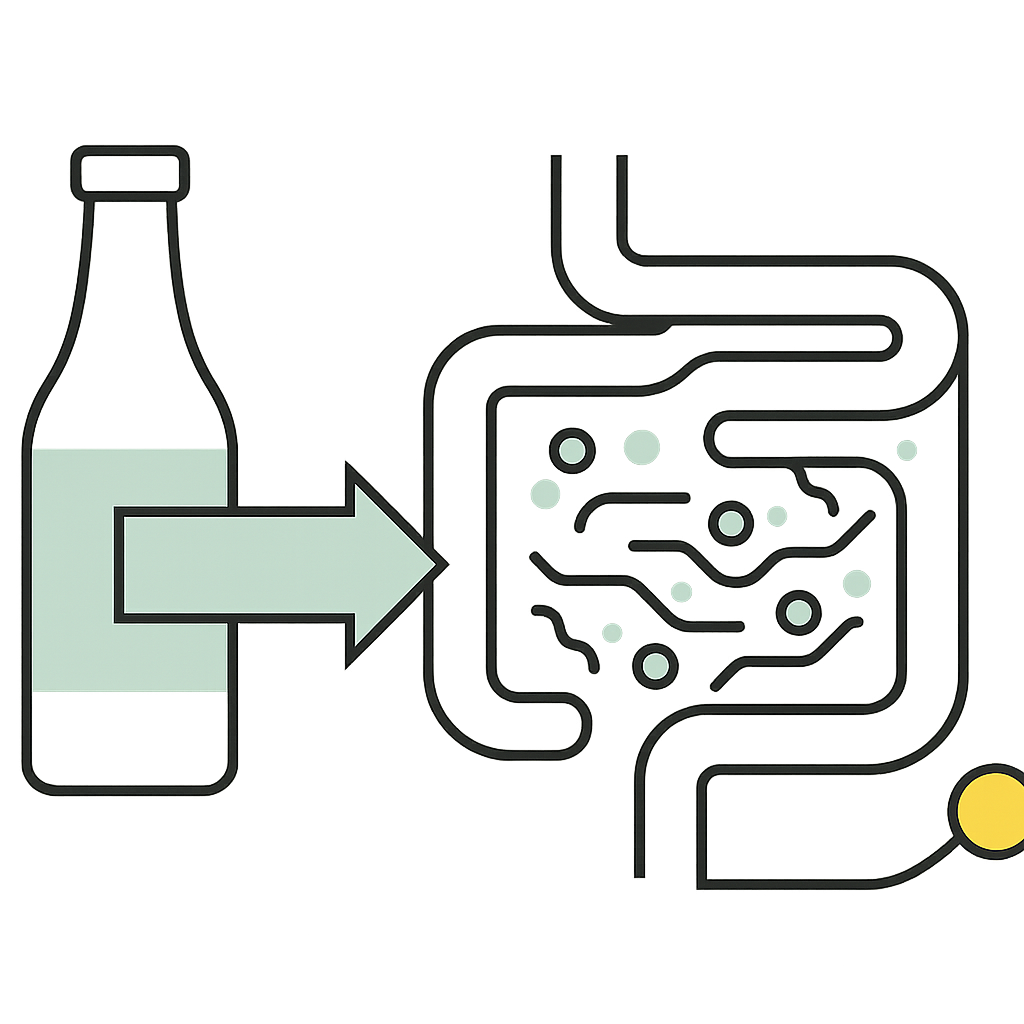
Fermented beverages are your gut’s best friends. These drinks are crafted through the natural process of fermentation, where microorganisms like bacteria and yeast transform sugars and other compounds into beneficial acids, alcohol, and probiotic microbes.
Consuming fermented drinks introduces probiotics—live bacteria that can colonize your intestines and help restore or maintain balance in your microbiome. These probiotics boost microbial diversity, which is a hallmark of a healthy gut. Beyond probiotics, these beverages often contain bioactive compounds such as organic acids and polyphenols that support digestive health and reduce systemic inflammation.
Drinks like kefir, kombucha, and beet kvass stand out for their unique probiotic profiles and health-promoting qualities, making them excellent additions to your diet to naturally foster gut wellness.
Kefir: A Probiotic Powerhouse for Daily Wellness
Kefir is a fermented dairy product made by fermenting milk with kefir grains, which are a complex combination of bacteria and yeasts living symbiotically. This results in a tangy, creamy beverage packed with a diverse range of probiotic strains, including Lactobacillus, Leuconostoc, and Saccharomyces species.
What makes kefir exceptional is its wide spectrum of probiotic species, more varied than those found in yogurt. These friendly microbes help improve lactose digestion, modulate your immune response, and support intestinal barrier integrity—critical for preventing harmful substances from leaking into the bloodstream.
Incorporating kefir into your daily routine is simple. Drink it straight as a probiotic-rich beverage, pour it over your morning cereal, blend it into smoothies, or use it as a creamy base in salad dressings and dips. Just a cup a day can provide a steady influx of gut-friendly bacteria to help reinforce your digestive health.
Kombucha: A Refreshing Gut-Friendly Drink
Kombucha is a lightly effervescent tea fermented by a symbiotic culture of bacteria and yeast (SCOBY). During fermentation, the microbes convert sugars into organic acids like acetic acid, gluconic acid, and lactic acid, which contribute to kombucha’s distinctive tart flavor and beneficial properties.
This drink contains varied probiotics, antioxidants, and enzymes that collectively aid digestion and help soothe intestinal discomfort. Research has also suggested that compounds from kombucha can help reduce gut inflammation and support detoxification pathways.
When choosing kombucha, look for low-sugar varieties without artificial additives. Or better yet, try making your own at home where you can control the ingredients and fermentation time. Enjoy it chilled for a refreshing, gut-boosting beverage that fits well into any wellness regimen.
Beet Kvass: A Traditional Gut Cleanser
Beet kvass is a less familiar but powerful fermented drink originating from Eastern Europe. It’s made by fermenting chopped beets in salted water, leading to a beverage rich in lactic acid bacteria along with digestive enzymes and antioxidants like betalains.
Unlike dairy-based kefir or tea-based kombucha, beet kvass is dairy-free and offers unique properties thanks to the beets’ natural compounds. The antioxidants support liver detoxification and protect your gut lining, while the fermentation process enhances nutrient bioavailability and encourages beneficial microbial growth.
To include beet kvass in your diet, sip it as a tangy appetizer before meals to stimulate digestion, mix small amounts into vegetable juices, or use it as a salad dressing base. Its earthy flavor grows on you and offers a robust way to refresh your gut flora.
Practical Tips for Adding Fermented Beverages to Your Diet
Start Slowly: Introduce fermented drinks gradually—begin with a few tablespoons per day to allow your digestive system to adjust.
Listen to Your Body: Monitor how you feel after consuming fermented beverages. Mild bloating or gas can occur initially but should improve as your gut adapts.
Mix with Other Gut-Friendly Foods: Complement these drinks by eating fiber-rich fruits, vegetables, and whole grains to nourish the probiotics already in your system.
Choose Quality Products: Opt for fermented drinks that are organic, unpasteurized, and free from excessive sugars or artificial ingredients.
Explore Variety: Rotate different types of fermented beverages like kefir, kombucha, and beet kvass to introduce a broad spectrum of beneficial microbes.
Key Takeaways
Your gut microbiome plays an essential role in digestion, immunity, and overall health, making its balance and diversity vital.
Fermented beverages provide probiotics and bioactive compounds that enhance microbial diversity, support digestion, and reduce inflammation.
Kefir offers a rich array of probiotic strains and is easy to incorporate into everyday meals and snacks.
Kombucha delivers beneficial acids and probiotics, helping soothe the gut and promoting natural detoxification.
Beet kvass, a traditional fermented beet drink, is packed with digestive enzymes and antioxidants that support gut and liver health.
Introducing fermented drinks gradually and balancing them with fiber-rich foods maximizes their benefits on your gut ecosystem.
Supporting Your Gut Health Journey
Improving your gut health doesn’t have to be complicated. By thoughtfully adding fermented beverages like kefir, kombucha, and beet kvass to your diet, you’re inviting a natural and effective way to nurture your digestive system and promote microbial diversity.
Starting small and paying attention to how your body responds can help you develop a sustainable, gut-friendly routine that makes a real difference to your wellbeing. Here’s to raising a glass to your gut health—cheers to better digestion, stronger immunity, and vibrant overall health!