Long-Term Capsaicin Intake: Effects on Gut Health and Inflammation
Understanding Capsaicin and Its Role in Diet
If you’ve ever felt that fiery kick from a chili pepper, you’ve experienced the power of capsaicin—the compound responsible for the heat in many spicy foods. Capsaicin is found predominantly in chili peppers, which range from the mild poblano to the blistering ghost pepper, making it a staple in cuisines worldwide, from Mexican to Indian and Southeast Asian dishes.
Traditionally, capsaicin has been used not just for its flavor but also for its medicinal properties. Cultures have long revered it for its pain-relieving, metabolism-boosting, and digestive-aid effects. But beyond the immediate burning sensation and metabolic perks, a growing body of research is turning the spotlight on how regular, long-term consumption of capsaicin influences your gut health and inflammation status.
Why does long-term consumption matter? The gut ecosystem is delicate and complex, housing trillions of microorganisms that help digest food, regulate immunity, and maintain gut barrier integrity. Eating capsaicin regularly could modify this ecosystem with potential benefits or unintended consequences. Understanding these effects helps you make informed dietary choices that support your gut and overall wellbeing.
Impact of Chronic Capsaicin Consumption on Gut Microbiota
Your gut microbiota—the diverse community of bacteria, fungi, and other microbes living in your intestines—plays a pivotal role in digestion, immunity, and even mood regulation. Long-term intake of capsaicin can alter both the composition and diversity of these microbes, according to several recent studies.
Research published in Food Research International highlights that chronic capsaicin consumption tends to increase the abundance of certain beneficial bacterial genera, such as Lactobacillus and Bifidobacterium, which are known for their gut health-promoting effects. These bacteria support the production of short-chain fatty acids (SCFAs), crucial molecules that nourish gut lining cells and reduce inflammation.
However, the effects aren't solely positive. Capsaicin can also diminish the diversity of some less dominant microbial populations, which may reduce overall microbiota resilience. A less diverse community is often linked to poorer gut health and increased vulnerability to digestive disorders.
What does this mean for your gut function? By shifting microbial populations, long-term capsaicin intake modulates processes like nutrient absorption, gut barrier maintenance, and immune signaling. Enhanced populations of beneficial bacteria can promote a healthier gut barrier and reduce harmful bacterial overgrowth, while decreased diversity may predispose some individuals to digestive complaints or inflammation over time.
Capsaicin’s Role in Modulating Inflammation within the Gut
When it comes to inflammation, capsaicin is a bit of a double-edged sword. On one hand, it has demonstrated potent anti-inflammatory properties. On the other, in certain scenarios, it may provoke pro-inflammatory responses.
Capsaicin activates the transient receptor potential vanilloid 1 (TRPV1) channels found in sensory neurons and gastrointestinal tissues. Activation of these receptors has been shown to reduce the release of pro-inflammatory cytokines and neuropeptides, which can soothe inflammation in the gut lining. Experimental studies report that regular capsaicin intake may alleviate symptoms in conditions marked by chronic gut inflammation, such as irritable bowel syndrome (IBS).
Conversely, some evidence suggests that excessive or poorly tolerated capsaicin consumption may irritate the gut mucosa, especially in individuals with preexisting sensitivities or gut barrier dysfunction. This irritation can trigger increased local inflammation, manifested as discomfort, increased gut permeability, or exacerbation of inflammatory bowel disease (IBD) symptoms in susceptible populations.
“While capsaicin may offer anti-inflammatory benefits by modulating immune cell activity, individual tolerance is highly variable, underscoring the importance of personalized dietary approaches.” — Recent Food Research International review
In summary, capsaicin’s influence on gut inflammation hinges on dosage, individual gut health status, and duration of intake.
Metabolic Pathways Influenced by Long-Term Capsaicin Intake
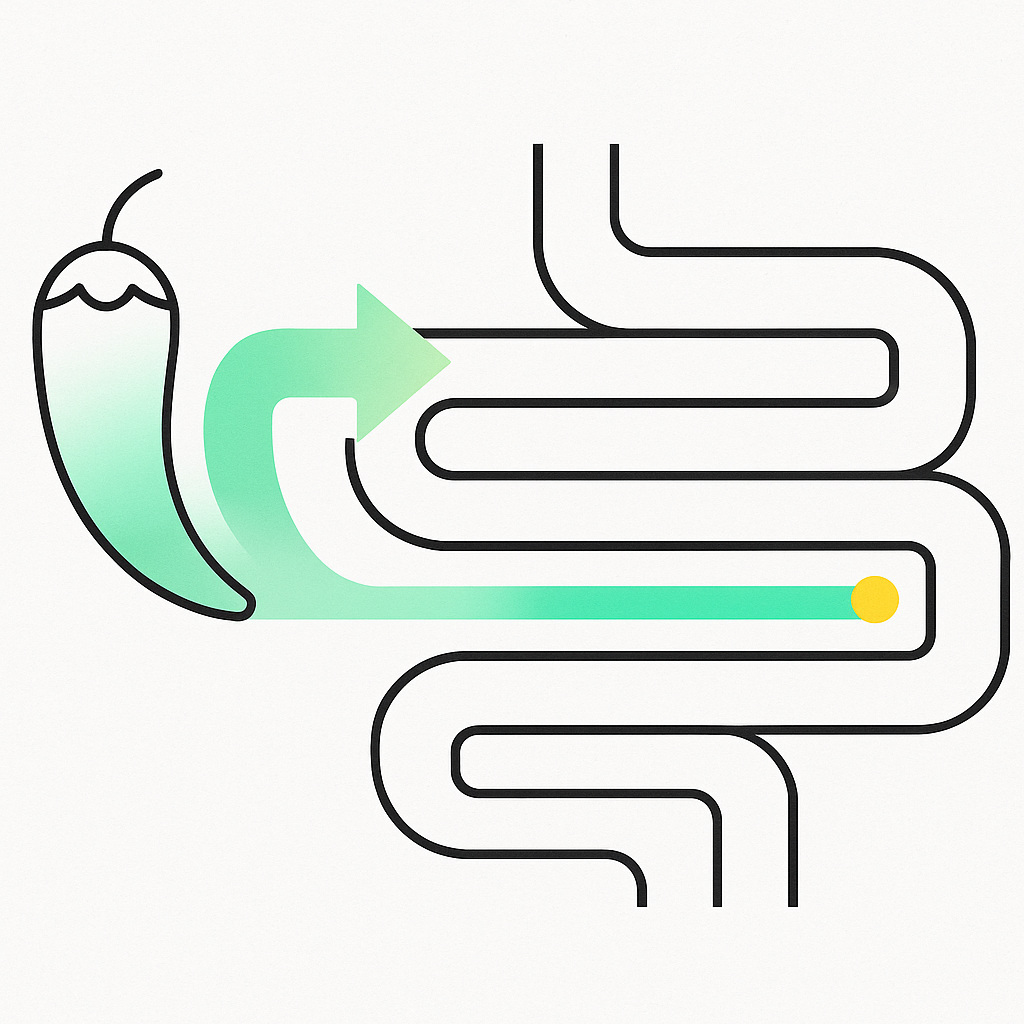
Capsaicin doesn't just affect microbial balance and inflammation—it also impacts several key metabolic pathways that support gut and systemic health.
One major mechanism is the enhancement of energy metabolism. Capsaicin stimulates thermogenesis—the process of heat production in the body—through activation of TRPV1 channels. This can increase fat oxidation and energy expenditure, which over time helps regulate body weight and metabolic health. A healthier metabolic profile benefits gut function by reducing fat-related inflammation and improving insulin sensitivity, both critical for gut barrier integrity.
Furthermore, studies indicate that capsaicin enhances the gut’s mucosal barrier by influencing tight junction proteins that guard against unwanted leakage of pathogens and toxins from the intestinal lumen into the bloodstream. By supporting this barrier, long-term capsaicin intake helps prevent systemic inflammation triggered by “leaky gut” conditions.
Immune responses are also modulated via capsaicin’s action on immune cells within the gut-associated lymphoid tissue (GALT). Its regulatory effects can reduce chronic low-grade inflammation linked to metabolic dysfunction, reinforcing a balanced immune environment.
Emerging research even points to capsaicin’s ability to shape hepatic signaling via the gut-liver axis, influencing hormones like fibroblast growth factor 21 (FGF21), which plays a role in energy homeostasis and fat metabolism.
Practical Gut Health Interventions and Considerations with Capsaicin
Incorporating capsaicin-rich foods into your diet can yield impressive benefits for gut health—but it requires a thoughtful, balanced approach.
Here are practical tips to help you harness capsaicin’s power without overdoing it:
Start slow and monitor tolerance: If you’re new to spicy foods, begin with small amounts of chili peppers or capsaicin-containing spices and gradually increase as your gut adapts.
Pair with gut-soothing foods: Combining spicy dishes with fiber-rich vegetables, fermented foods, or dairy (if tolerated) can help buffer irritation and promote a favorable microbiome.
Aim for moderate daily intake: Research often cites beneficial effects with regular consumption of about 2–5 mg of capsaicin per day, roughly equivalent to a small portion of chili pepper, but this varies widely based on individual sensitivity.
Watch for symptoms: Persistent discomfort, acid reflux, or diarrhea after spicy meals may signal the need to reduce intake or consult a healthcare provider.
Support diversity: Balance spicy foods with a wide variety of plant-based, antioxidant-rich foods to nourish and diversify your gut microbiome.
When considering supplements or high-dose capsaicin extracts, it is best to seek advice from a nutritionist or gastroenterologist to avoid adverse effects and to tailor the intervention to your specific health status.
Key Takeaways
Capsaicin, the active compound in chili peppers, affects gut health significantly when consumed over the long term.
Chronic capsaicin intake can favorably shift gut microbiota by boosting beneficial bacteria, but may also reduce microbial diversity in some individuals.
Capsaicin has complex roles in gut inflammation, offering anti-inflammatory benefits while potentially irritating sensitive gut tissues if consumed excessively.
Metabolically, capsaicin supports energy balance, gut barrier integrity, and immune regulation through various pathways including TRPV1 activation and hepatic signaling.
Prudent, moderate consumption combined with a diverse, fiber-rich diet maximizes gut benefits while minimizing risks associated with capsaicin intake.
Individual tolerance varies greatly, so listen to your body and consult healthcare professionals before making substantial changes involving spicy foods or supplements.
Final Thoughts
Long-term capsaicin consumption paints a fascinating picture of interaction between diet, gut microbes, inflammation, and metabolism. While it holds promise for enhancing gut health and reducing metabolic disease risk, it is not a one-size-fits-all solution. Your unique gut ecosystem, health conditions, and dietary habits shape how you respond to capsaicin-rich foods.
By embracing mindful eating and staying attuned to your body’s signals, you can safely enjoy the flavors—and potential gut benefits—of capsaicin. Don’t hesitate to reach out to your healthcare provider or a nutrition expert to tailor a capsaicin plan that fits your health goals.
After all, taking care of your gut is one of the best gifts you can give your overall wellness.