Bioengineered Probiotics: A New Frontier in Gut Health and Diabetes Care

Understanding the Gut Microbiota and Type 2 Diabetes
You’ve probably heard a lot about gut health in recent years—but did you know that the trillions of microbes living in your digestive tract play a critical role in regulating not only digestion but your entire metabolic health? The gut microbiota, a complex community of bacteria, viruses, and fungi, influences many bodily functions such as immune response, nutrient absorption, and inflammation control.
In particular, gut microbiota imbalances—or dysbiosis—have been strongly linked to metabolic conditions like type 2 diabetes. Research indicates that when certain beneficial bacteria decline and harmful bacteria proliferate, it can trigger systemic inflammation and insulin resistance, two hallmarks of type 2 diabetes.
For instance, some gut bacteria produce short-chain fatty acids that help maintain the gut barrier and reduce inflammation, while others influence fat storage and glucose metabolism. When this balance is disturbed, it leads to increased gut permeability (“leaky gut”), allowing inflammatory molecules to enter the bloodstream and negatively impact insulin signaling. This creates a vicious cycle that worsens blood sugar control.
Understanding this relationship opens exciting new doors for managing type 2 diabetes through targeted interventions in the gut ecosystem.
What Are Bioengineered Probiotics?
Traditional probiotics are already well-known for their ability to support gut health by reintroducing beneficial bacteria. But the world of probiotics is rapidly evolving thanks to breakthroughs in biotechnology—giving rise to bioengineered probiotics that go beyond conventional strains.
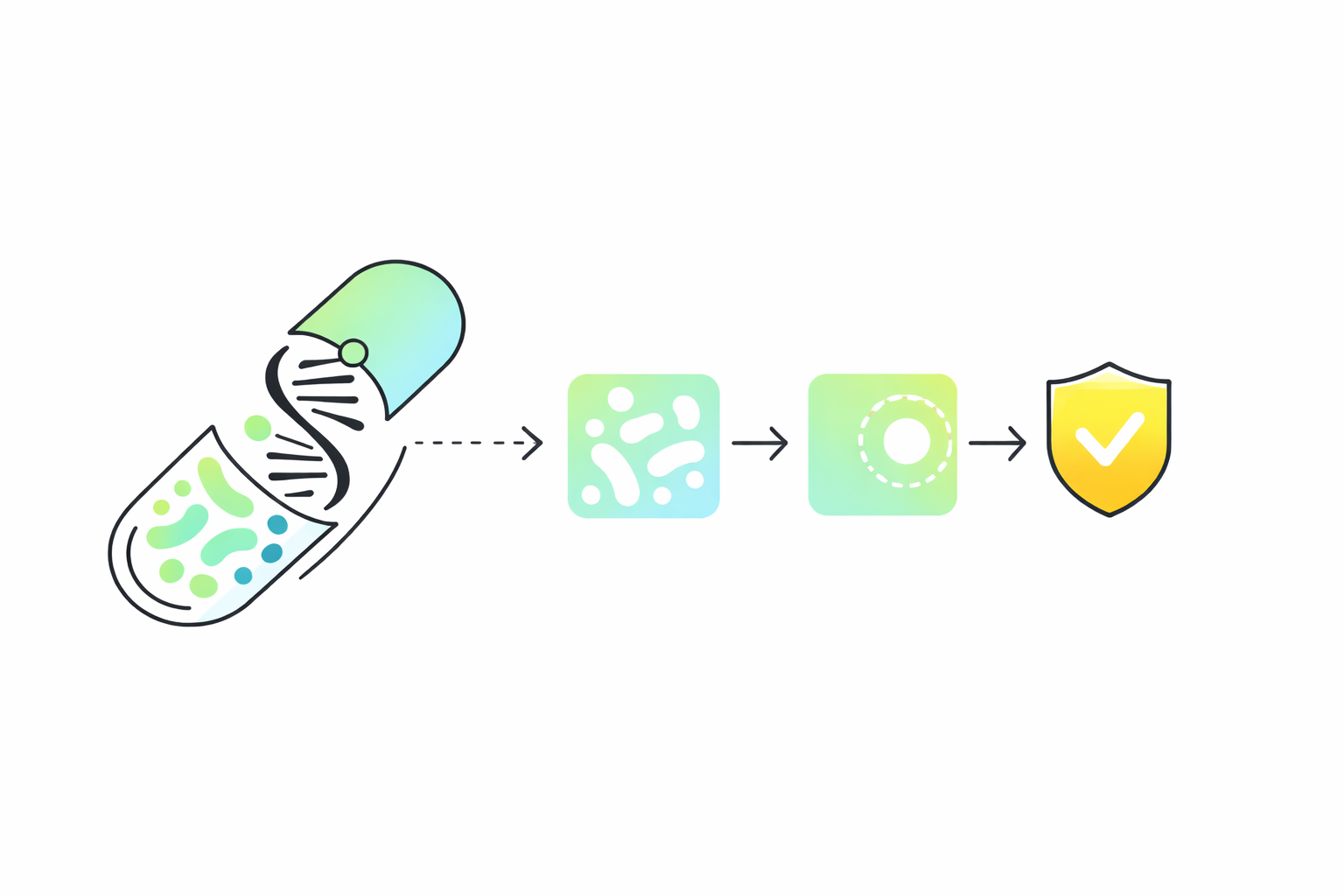
Bioengineered probiotics are live microorganisms that have been genetically or metabolically modified to enhance their natural capabilities or to perform specific functions once inside the gut. This engineering allows them to survive harsh conditions like oxidative stress, colonize more effectively, and precisely modulate the gut microbiota and host physiology.
For example, scientists can bioengineer a probiotic strain to produce anti-inflammatory compounds or to consume metabolites that contribute to insulin resistance. This capability makes bioengineered probiotics a precise and powerful tool, potentially transforming how we treat metabolic disorders like type 2 diabetes.
Mechanisms: How Bioengineered Probiotics Help Improve Diabetes
The question you might have is, how exactly do these supercharged probiotics help with diabetes? The answer lies in their ability to reset the gut environment and directly influence metabolic pathways.
Reducing Gut Inflammation: Bioengineered probiotics can be designed to withstand oxidative stress, a condition commonly elevated in people with type 2 diabetes. By thriving in this environment, they outcompete harmful bacteria that promote inflammation. They may also secrete antioxidant enzymes that reduce oxidative damage.
Enhancing Insulin Sensitivity: Certain bioengineered strains can increase the production of metabolites like butyrate, a short-chain fatty acid that strengthens the gut barrier and improves insulin signaling pathways.
Modulating Immune Response: They also help recalibrate the immune system in the gut to tone down chronic low-grade inflammation, which is a key factor driving insulin resistance.
Altering Metabolic Processes: Some are engineered to degrade or neutralize metabolites that interfere with glucose metabolism or promote fat accumulation, thus helping regulate blood sugar levels more effectively.
By these mechanisms, bioengineered probiotics don't just passively support your gut; they actively transform it in ways that directly address the causes of type 2 diabetes.
Current Research and Promising Clinical Trials
The science behind bioengineered probiotics is more than theoretical—it’s backed by compelling research. A recent study published in Nature Communications demonstrated that a bioengineered reactive oxygen species (ROS)-tolerant probiotic strain administered to diabetic male mice significantly reshaped their gut microbiota and improved glucose metabolism.
This innovative probiotic survived oxidative stress conditions common in diabetic guts better than normal strains. It reduced systemic inflammation markers and improved insulin sensitivity, resulting in lowered blood sugar levels and reduced diabetes symptoms in the animal model.
Beyond animal studies, early-stage human clinical trials are exploring the safety and efficacy of bioengineered probiotics for metabolic health. They aim to assess whether these advanced probiotics can be used alongside standard diabetes treatments to enhance their effectiveness or possibly reduce dependency on medication.
While more research is needed before widespread clinical application, these initial findings are promising signs of a new therapeutic era where customized microbes can complement traditional care.
Future Perspectives: Towards Personalized Gut Therapies
Looking ahead, one of the most exciting possibilities is the development of truly personalized probiotic therapies tailored to your unique gut microbiome. Everyone’s microbial community is distinct, shaped by genetics, diet, environment, and lifestyle.
Advances in precision medicine and microbiome profiling will allow clinicians to design bioengineered probiotics that target specific imbalances and metabolic dysfunctions in your gut. Such personalized approaches could maximize benefits and minimize side effects, making probiotic therapy far more effective than the traditional one-size-fits-all model.
However, challenges remain. Producing safe, stable bioengineered strains that can function predictably in diverse human guts is complex. Regulatory oversight, ethical considerations, and scalability must also be addressed before these therapies become mainstream.
Nevertheless, the potential is immense. Personalized bioengineered probiotics may soon become a cornerstone for managing not only type 2 diabetes but a wide range of chronic illnesses linked to gut health.
Key Takeaways
Your gut microbiota plays a pivotal role in metabolic health, influencing inflammation and insulin resistance linked to type 2 diabetes.
Bioengineered probiotics are next-generation live microbes designed to survive harsh gut conditions and precisely modulate bacterial communities and metabolic pathways.
These engineered strains can reduce gut inflammation, improve insulin sensitivity, and help lower blood sugar through multiple biological mechanisms.
Emerging research, including animal studies and early clinical trials, supports the potential of bioengineered probiotics as adjunct therapies for diabetes management.
The future lies in personalized probiotic therapies tailored to individual microbiomes, offering targeted, effective treatment options for metabolic diseases.
Conclusion
The journey into bioengineered probiotics represents a transformative shift in how we understand and approach type 2 diabetes care. Rather than just treating symptoms, these advanced probiotics tap into the root of metabolic dysfunction by restoring balance in your gut ecosystem.
As research evolves, staying informed about emerging gut health technologies empowers you to make proactive choices for your well-being. Remember, while bioengineered probiotics hold great promise, they should complement—not replace—advice and treatment plans from healthcare professionals.
By nurturing your gut microbiota with the latest science-backed interventions, you open the door to better metabolic health and a brighter, more balanced future.